Impact Licensing Initiative in Istanbul: Driving Sustainable Technology Transfer Through Collaboration
On 10 December, in collaboration with Istanbul Technical University (ITÜ), the Impact Licensing Initiative (ILI) organised a workshop “From Innovation to Impact: Scaling Technologies through Inclusive IP Pools for Least Developed Countries and Crisis Response”.
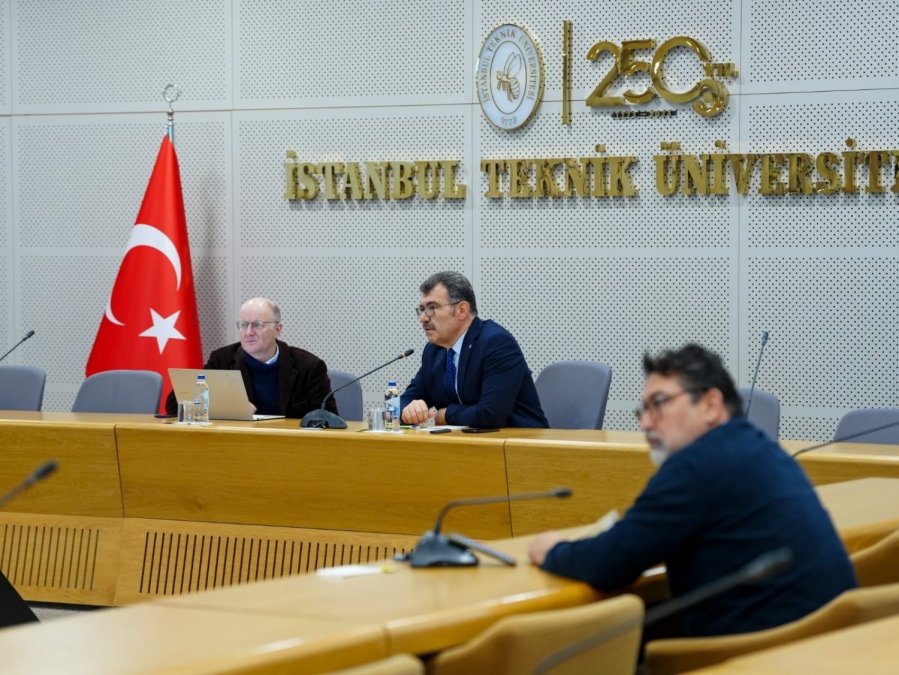
Rector Prof. Hasan Mandal opened the session with a presentation on the need for sustainable technology transfer to advance the United Nations’ Sustainable Development Goals (UN SDGs) and strengthen humanitarian disaster response, highlighting how universities and innovation ecosystems are evolving towards more inclusive and human-centred models. The discussion also examined the potential role of Turkish institutions within the emerging network of intermediaries, Technology Transfer Facilities for Impact (TT4i), and their prospective contributions to the Impact IP Pool. Additionally, the ILI team welcomed Professor Mandal to the ILI Strategic Advisory Board.
Following a brief introduction by the Coordinator of the Impact Licensing Initiative, Johan Moyersoen, Karmen Poljanšek from the Joint Research Centre (JRC) of the European Commission shared insights on the INFORM platform and discussed potential avenues for collaboration, particularly how the platform could support and be integrated into ILI activities.
Next, Duygu Çelik from the Scientific and Technological Research Council of Türkiye (TÜBİTAK) delivered a presentation outlining Türkiye’s Disaster Resilience, Response, and Recovery initiatives, highlighting ongoing efforts and opportunities for strengthening technological and institutional preparedness.
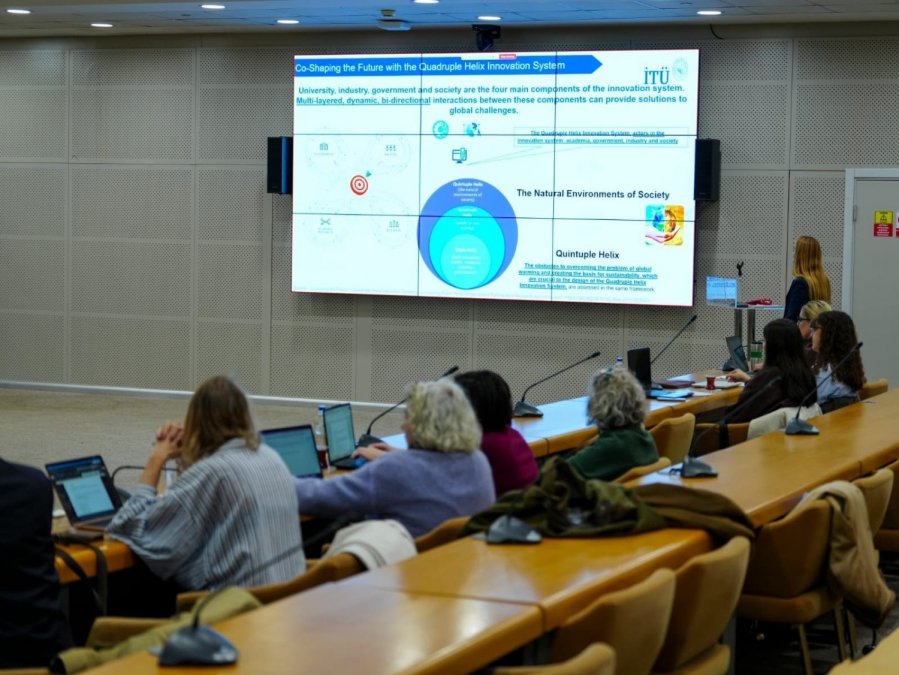
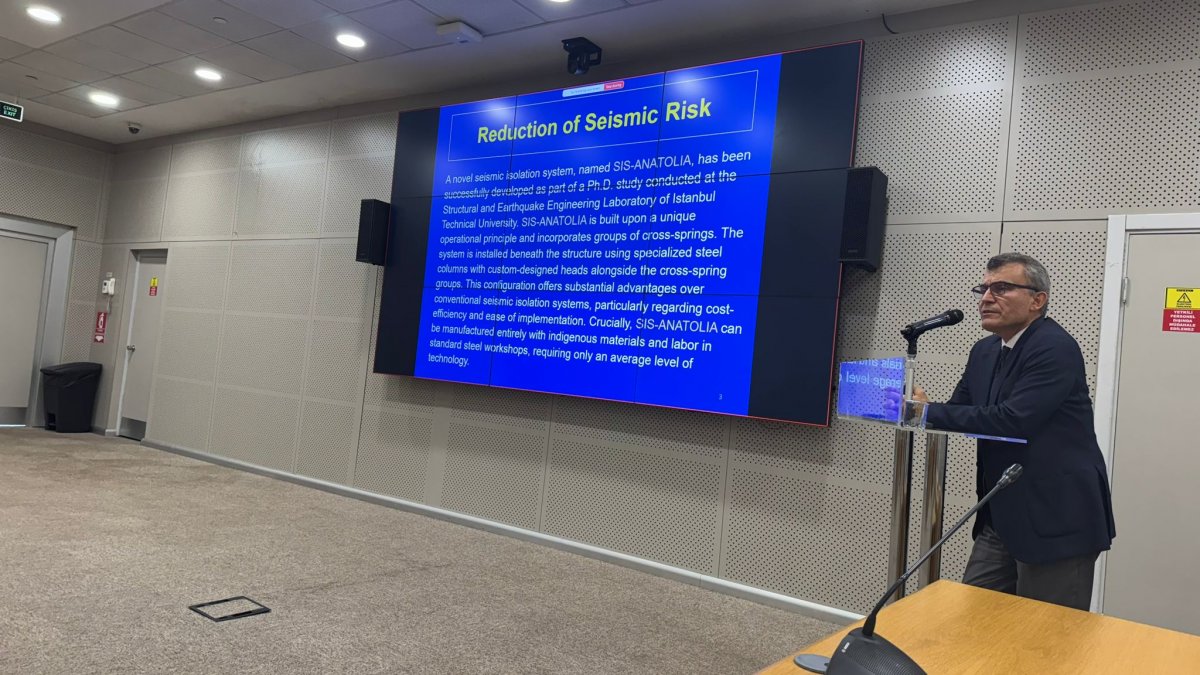
The programme continued with insights from Aslı Hekimoğlu, Programme Manager at the UN Technology Bank for Least Developed Countries (UNTB). She highlighted the mission, objectives, activities, and ambitions of the UNTB and provided practical examples illustrating their impact. She also spotlighted the Technology Needs Assessment process and current activities underway in several LDCs. The session then moved into an open discussion, during which all participants explored potential areas for collaboration. The day concluded with a showcase of Turkish innovations from Istanbul Technical University, during which two promising technologies were identified for screening and potential inclusion in the Impact IP Pool. The first, Water and Wastewater Treatment and Related Process Solutions, was presented by Assoc. Prof. Dr. Derya Y. Köseoğlu-İmer, highlighting advanced approaches to sustainable water management. The second, SIS-ANATOLIA: An Indigenous, Cost-Effective Seismic Isolation System, was introduced by Prof. Dr. Ercan Yüksel, offering a novel solution to improve structural resilience in earthquake-prone regions.
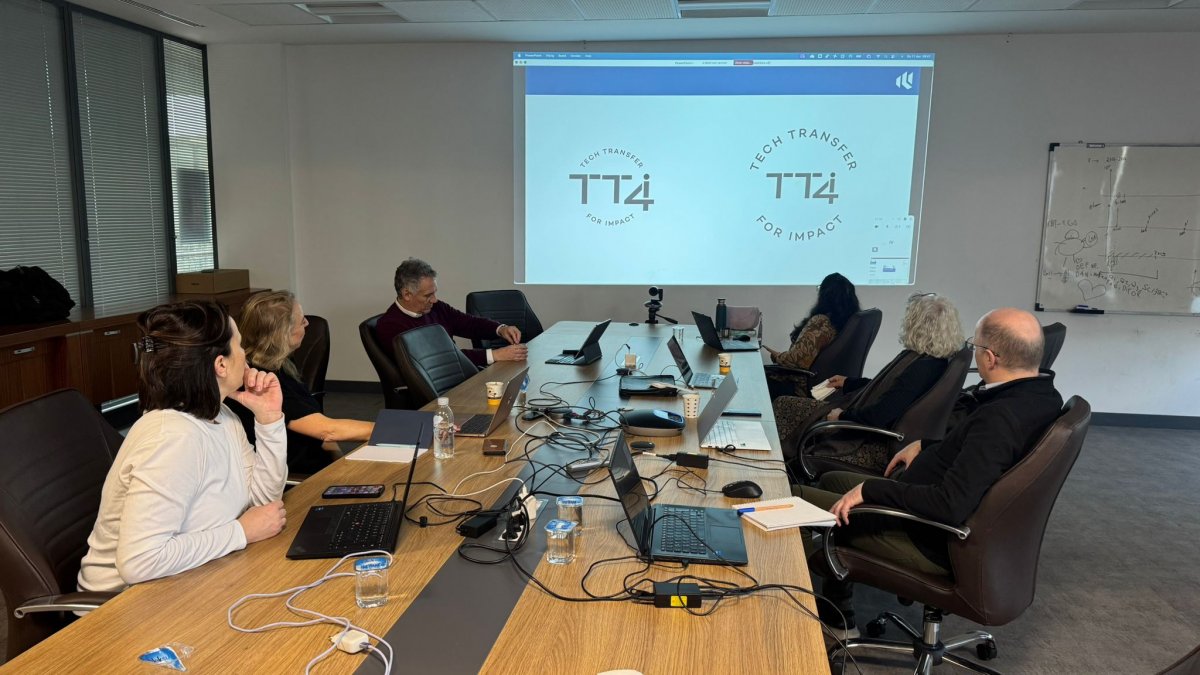
The second day focused on internal project discussions, aimed at clarifying how TT4i organisations can support the screening and responsible deployment of technologies within the impact licensing ecosystem. This work will continue into early 2026, as the first partners prepare to move toward onboarding.
A dedicated meeting with ÜSIMP, Türkiye’s national platform for knowledge exchange and technology transfer, represented by Fazilet Vardar, explored opportunities for collaboration. The discussion drew on USIMP’s experience in capability assessments, regional innovation support, and non-traditional licensing models. The exchange confirmed USIMP as a strong potential TT4i partner, with follow-up discussions planned for January 2026.
The day concluded with concrete planning for the upcoming activities in 2026, setting the foundation for the next phase of implementation.
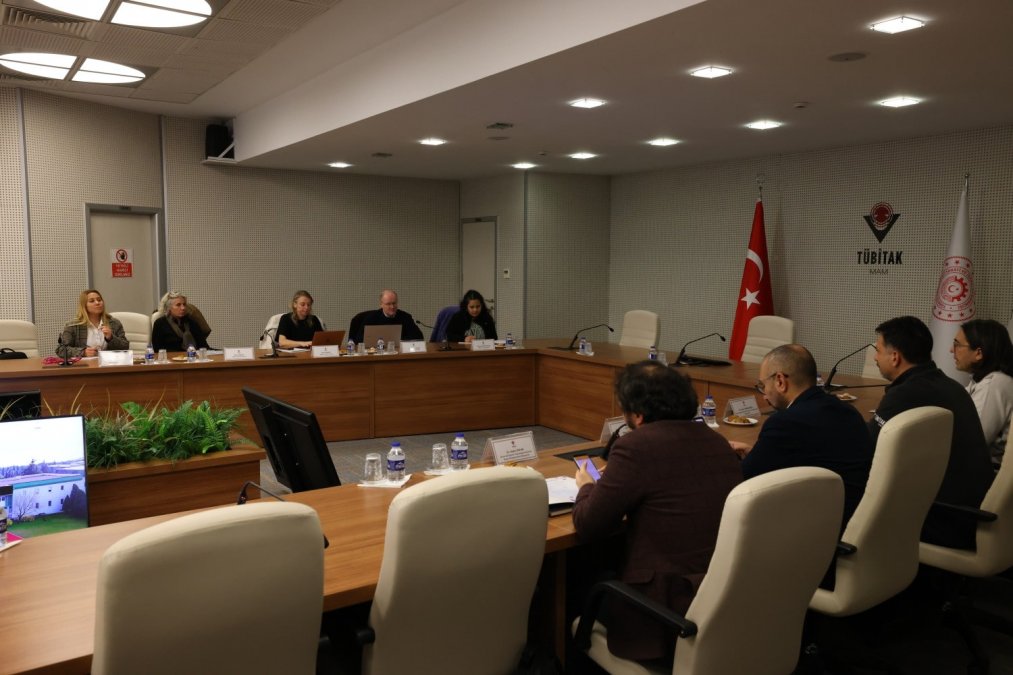
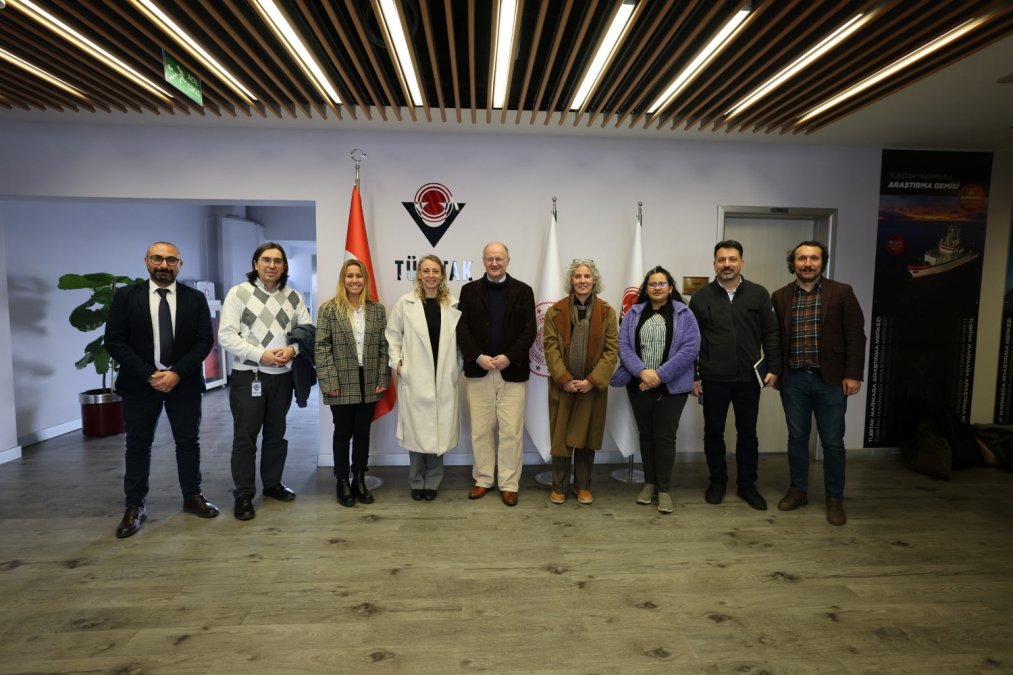
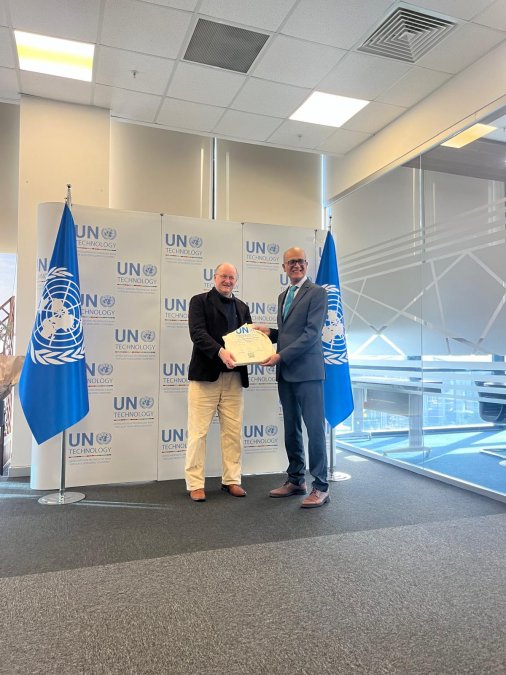
On 12 December, the ILI team visited the premises of the UN Technology Bank (UNTB) and TÜBİTAK in Gebze for a series of strategic meetings. Discussions focused on the development of the Impact IP Pool, potential financing models for technology transfer, and possible demonstration projects in Least Developed Countries. In the first part of the day, the UNTB team, led by the Managing Director, Deodat Maharaj, hosted the meeting. Several upcoming and ongoing projects were reviewed, and a roadmap for future collaboration was established.
In the afternoon, the ILI team visited TÜBİTAK, meeting with the Earth Sciences Research Group to explore potential areas of cooperation. The visit also included a tour of the Accelerated Mass Spectrometry (AMS) Laboratory, providing insight into TÜBİTAK’s research capabilities and infrastructure.
Looking Ahead
The three days in Istanbul provided space for reflection, new connections and shared priorities. They reinforced the relevance of impact licensing where access to technology is essential for societal resilience and offered encouraging signals for advancing both the TT4i network and the Impact IP Pool in 2026.